May update: bees, WWOOFers, and spinach
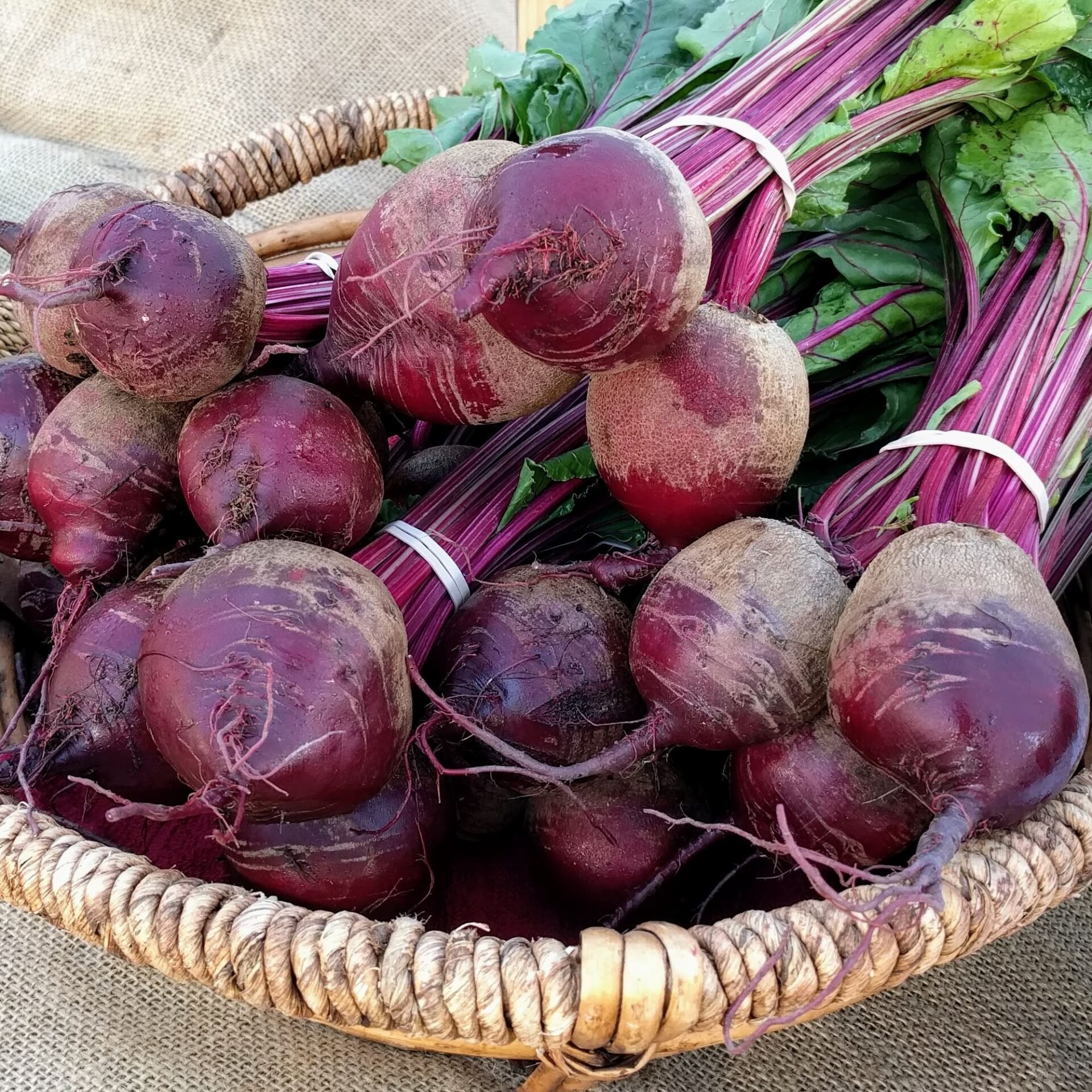
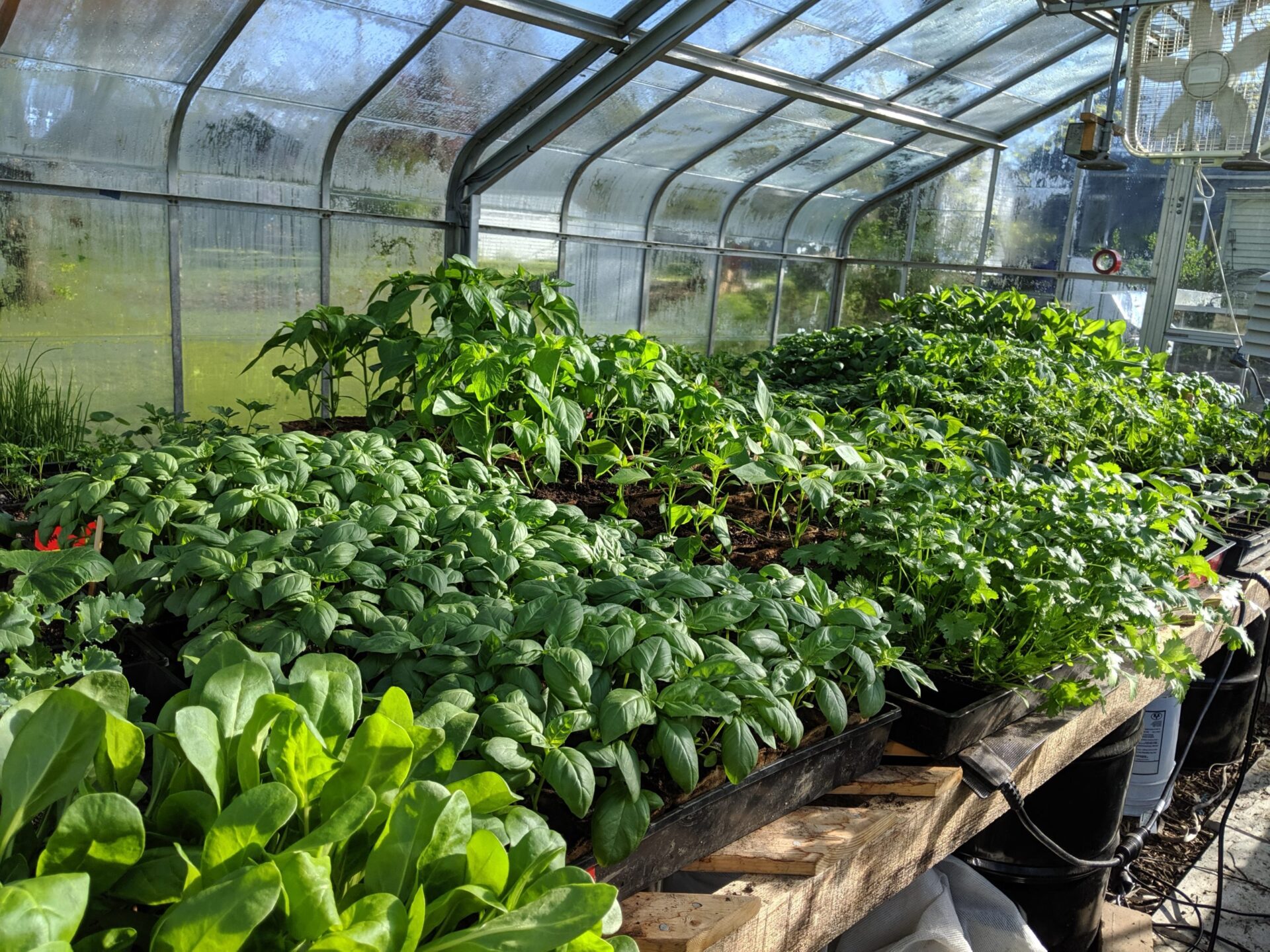
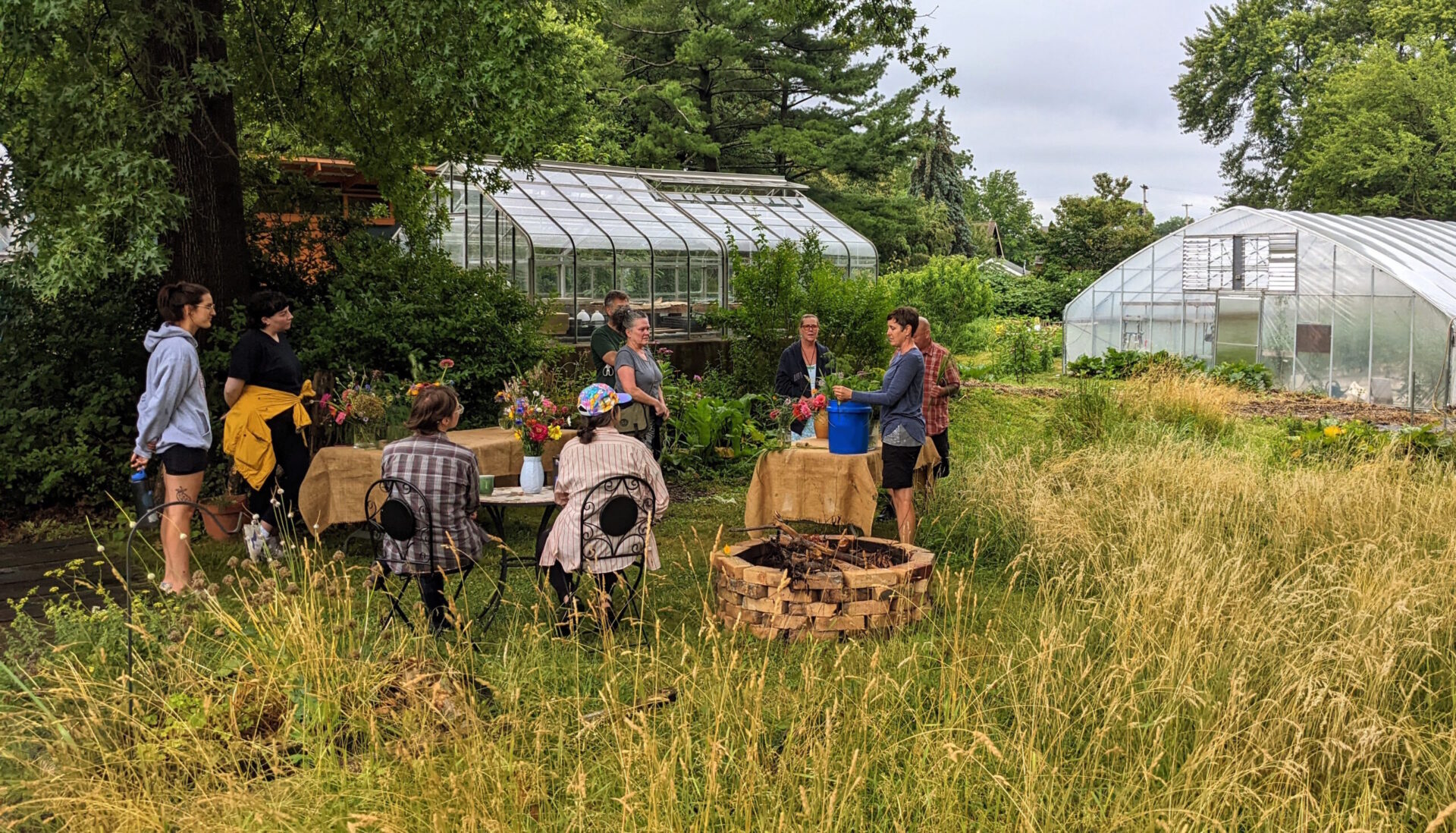
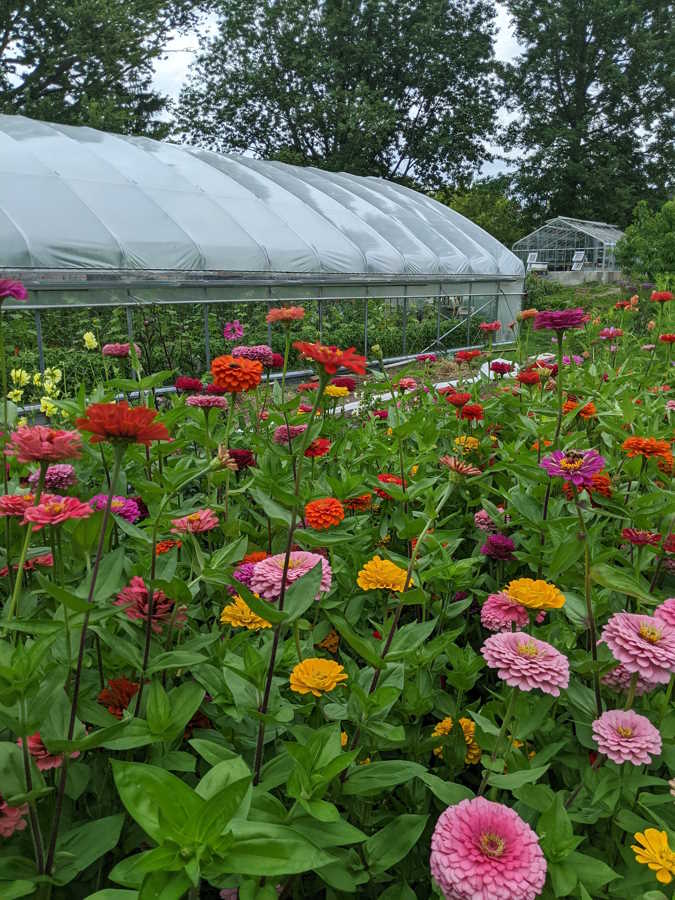
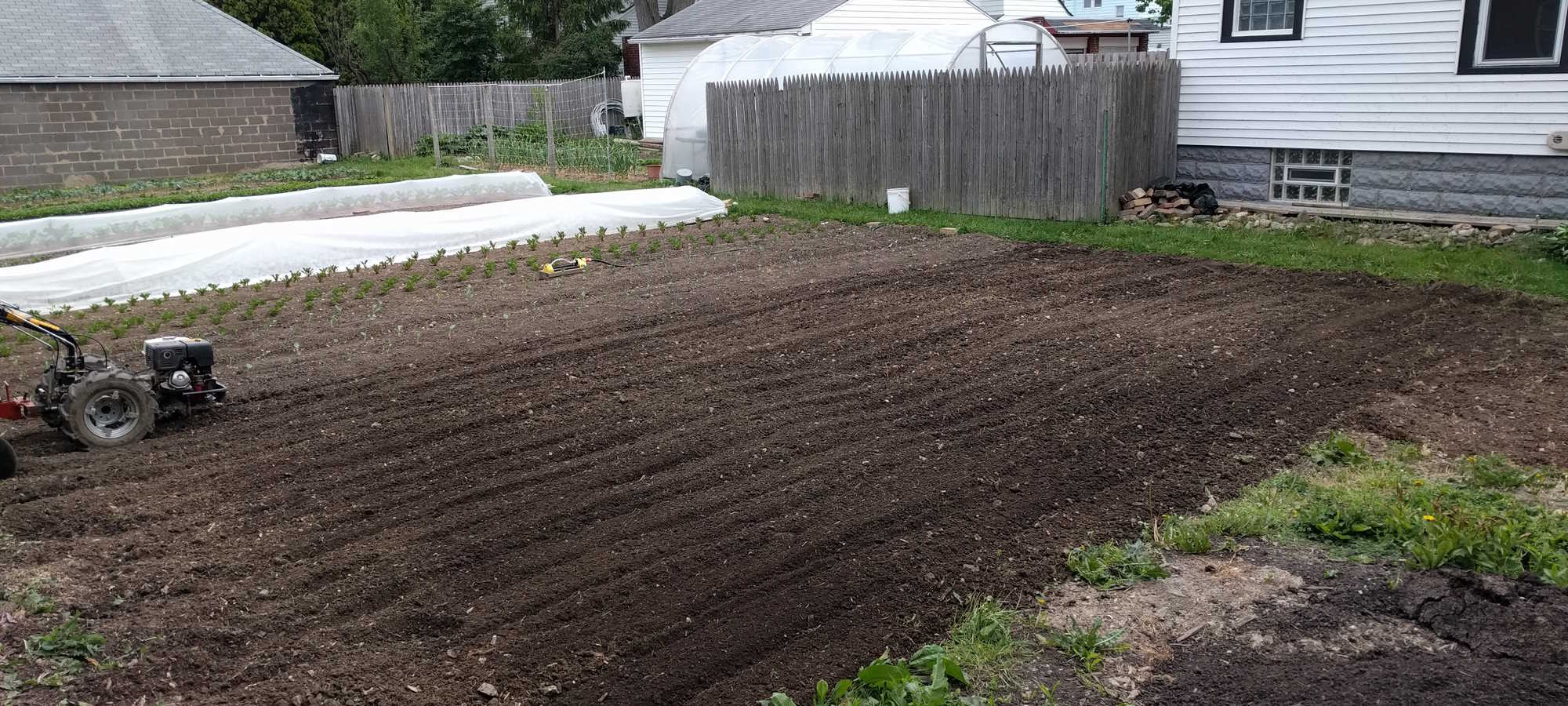
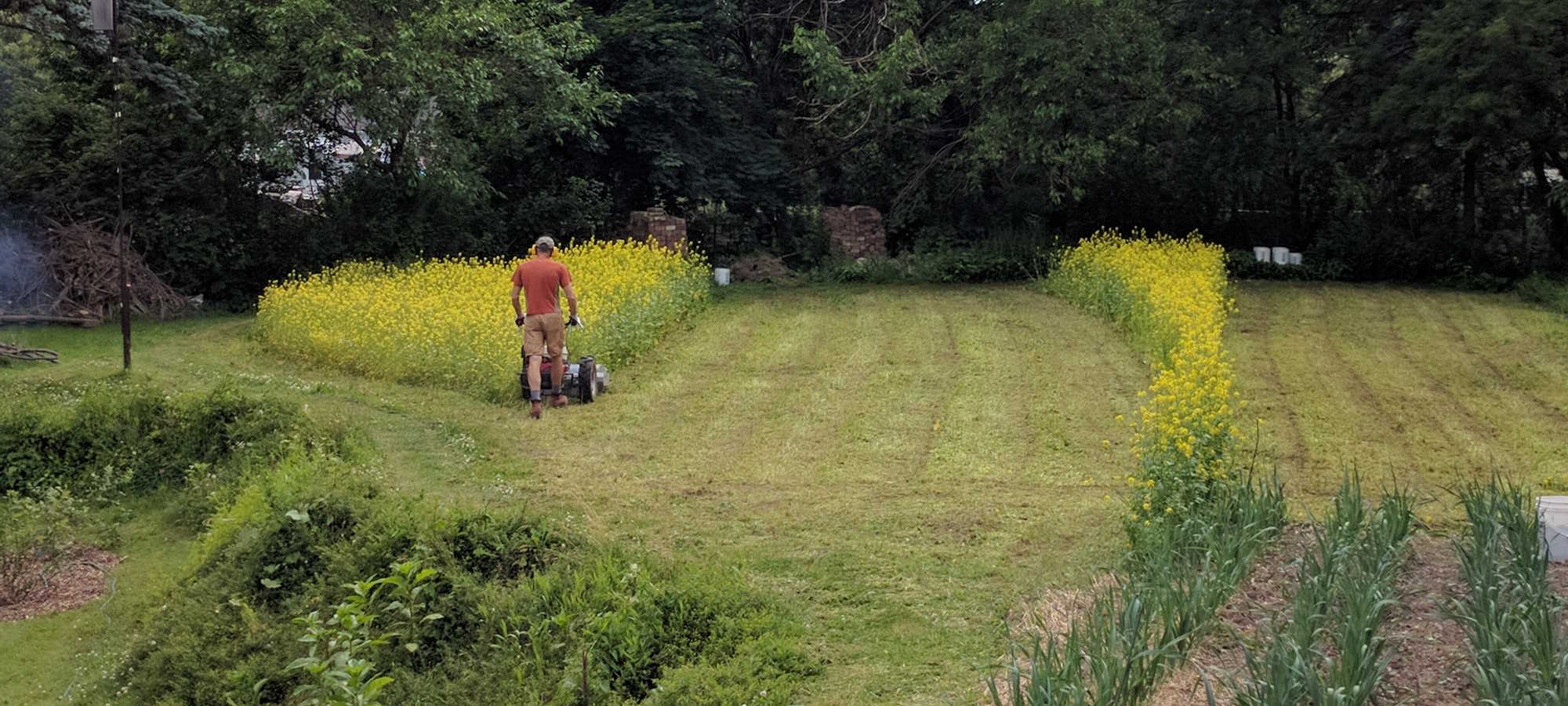
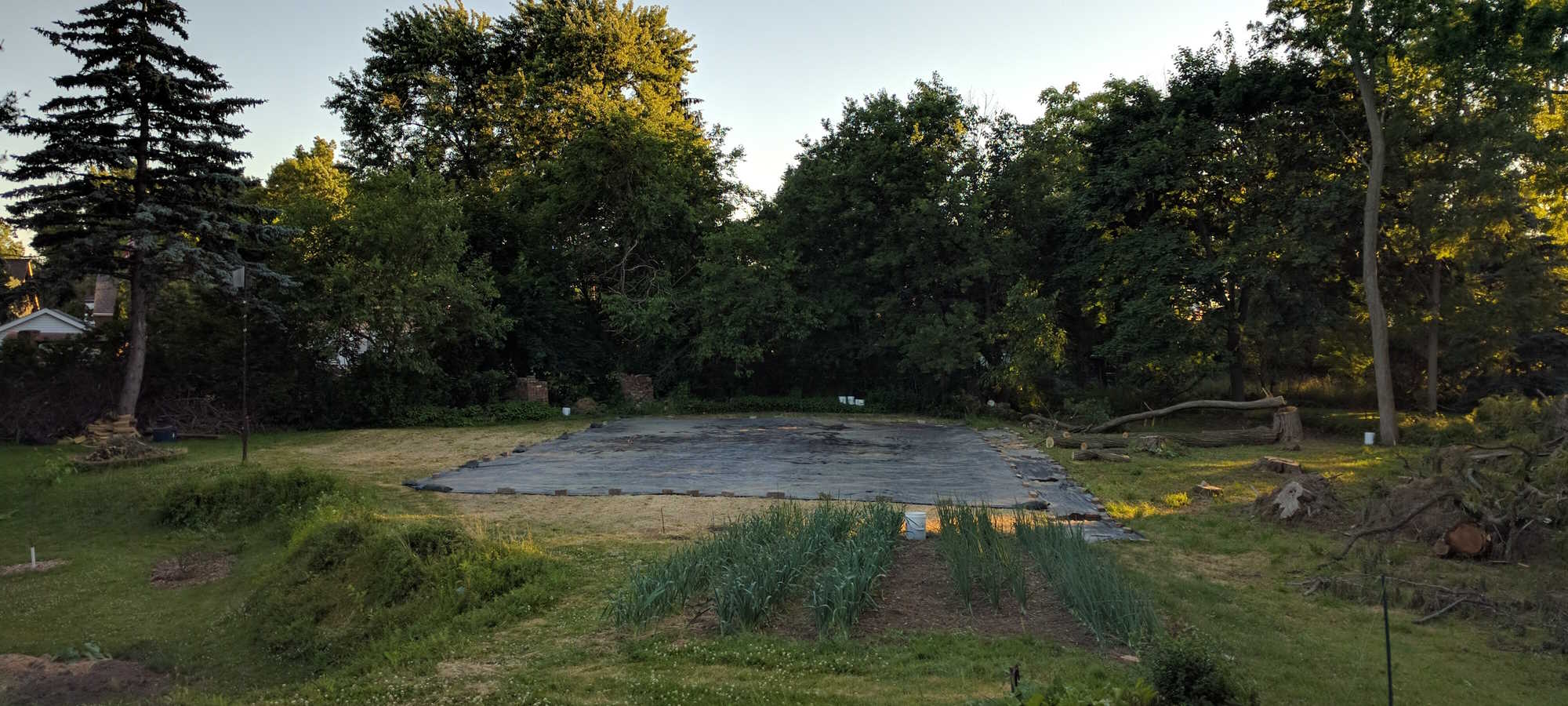
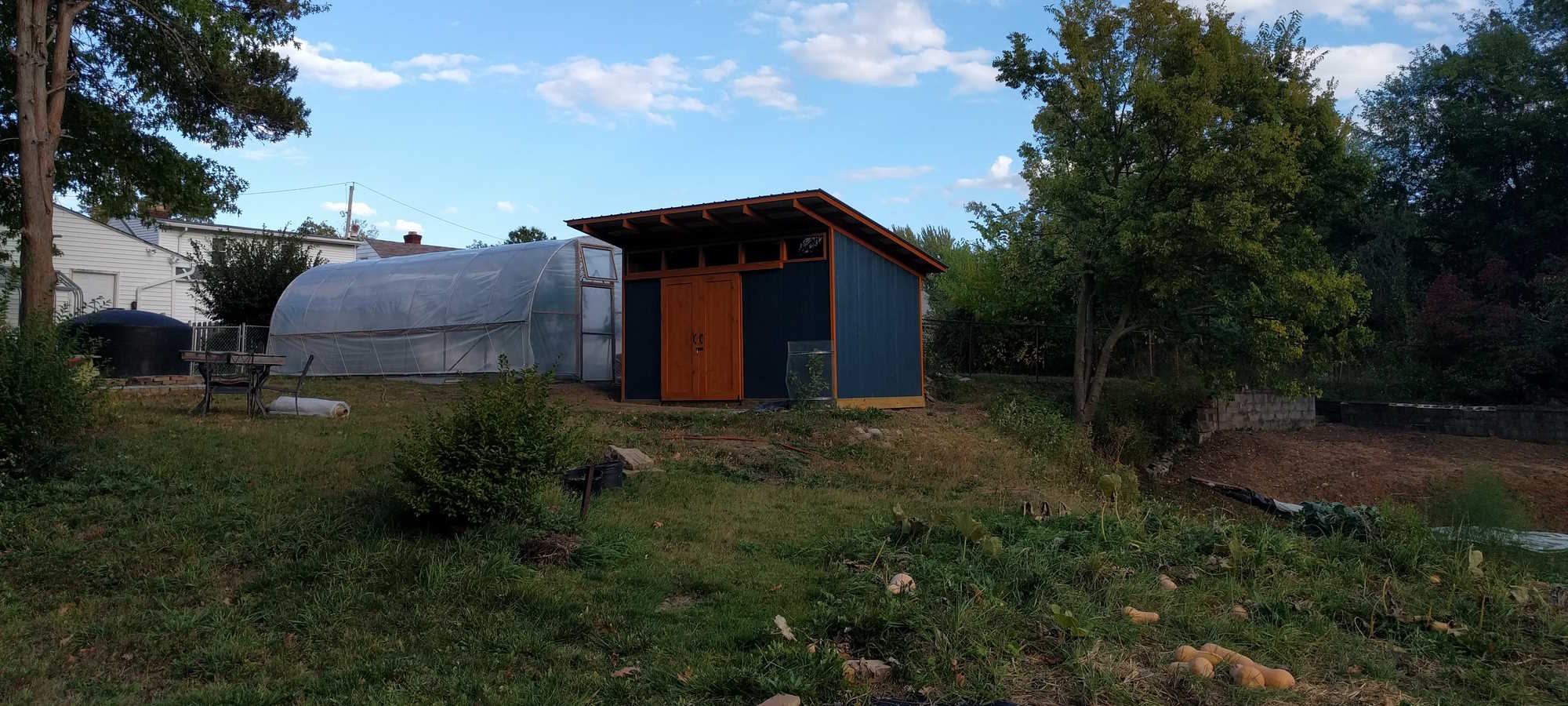
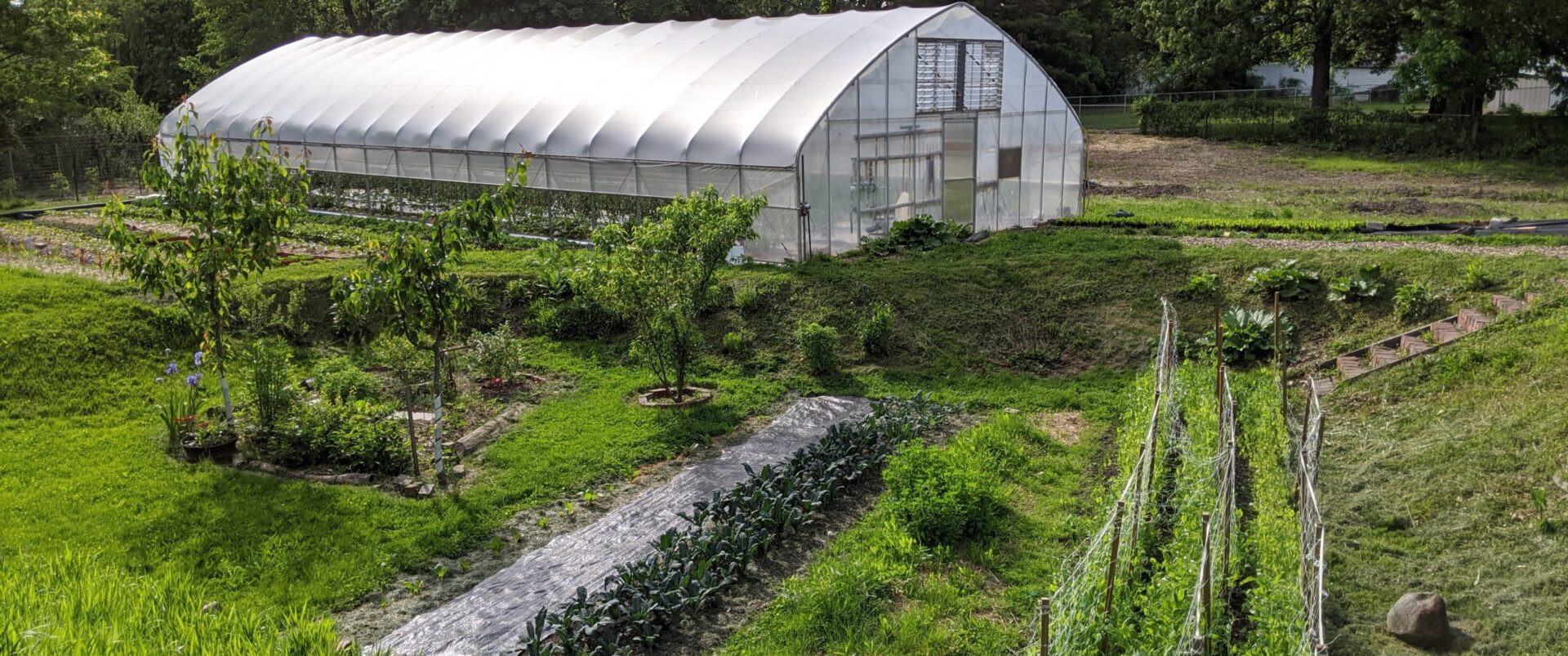
Things have been cranking away at the tiny plot on Lark Street. We have grown some of the most amazing spinach this spring. Unfortunately, the stretches of heat have caused a bunch of our greens to bolt prematurely. Beet transplants are looking good for opening market day in late June. Bees have been safely placed in the hive and are bringing back pollen. WWOOF volunteers are here and helping with all sorts of tasks…amazing what a few extra sets of hands can accomplish. Overall, things are looking good…just wish it would rain so we could stop watering!
Everything old is new again
My favorite new tool is the Fire Fly Plow (you can find it at Lehman’s). It is a hand powered plow used for cultivating and bed preparation. We purchased this off an old farmer just West of here along with a Planet Jr. double wheel cultivator, a handcart and a few other tools. This sat in the back of our garage for at least the last year, but now that we are going no-till, we have pulled it out, dusted it off and learned just how handy it is. This is also a tool that is highly praised by Josh Volk, an amazing farmer and frequent contributor to Growing for Market. Yes, ours is a bit rusty and could probably use a good sharpening and a little tightening up, but after using it today to prep an area of the plot for leeks, I’m so excited to use this moving forward! Here are a couple of pictures.
Teaming with Microbes
In December we attended the ACRES Conference in Columbus. Our biggest takeaway was about the soil and it being a living entity. We purchased and read Teaming with Microbes: The Organic Gardener’s Guide to the Soil Food Web. This book is a must read for anyone who wants to farm organically and in harmony with the beneficial critters that are in the soil. The book is broken into two parts – the first covers the basic science of what is happening in the soil, which is fascinating stuff, but somewhat heavy reading. The second part is how to apply this science to your yard and garden. The book presents 19 rules to follow and one of the rules is “rototilling and excessive soil disturbance destroy or severely damage the soil food web”……so, we are going no-till this season. That’s right; Bertha is getting a rest!
We are also seriously ramping up our compost tea production to help feed the beneficial microbes in the soil, another lesson from the book. Spink built a brewer to make actively aerated compost tea (AACT). Here is the recipe from the book:
- 5 gal. chlorine-free water (we use rain water but you can also use tap water and let it sit for 24 hours to allow the chlorine to evaporate)
- 4 cups compost
- 2 tablespoons molasses
Put the above in the brewer and let it bubble for 24 hours and use immediately. The brewer is some tubing and pipe attached to a fish tank aerator inside a 5 gallon bucket.
Spring update – what’s growing?
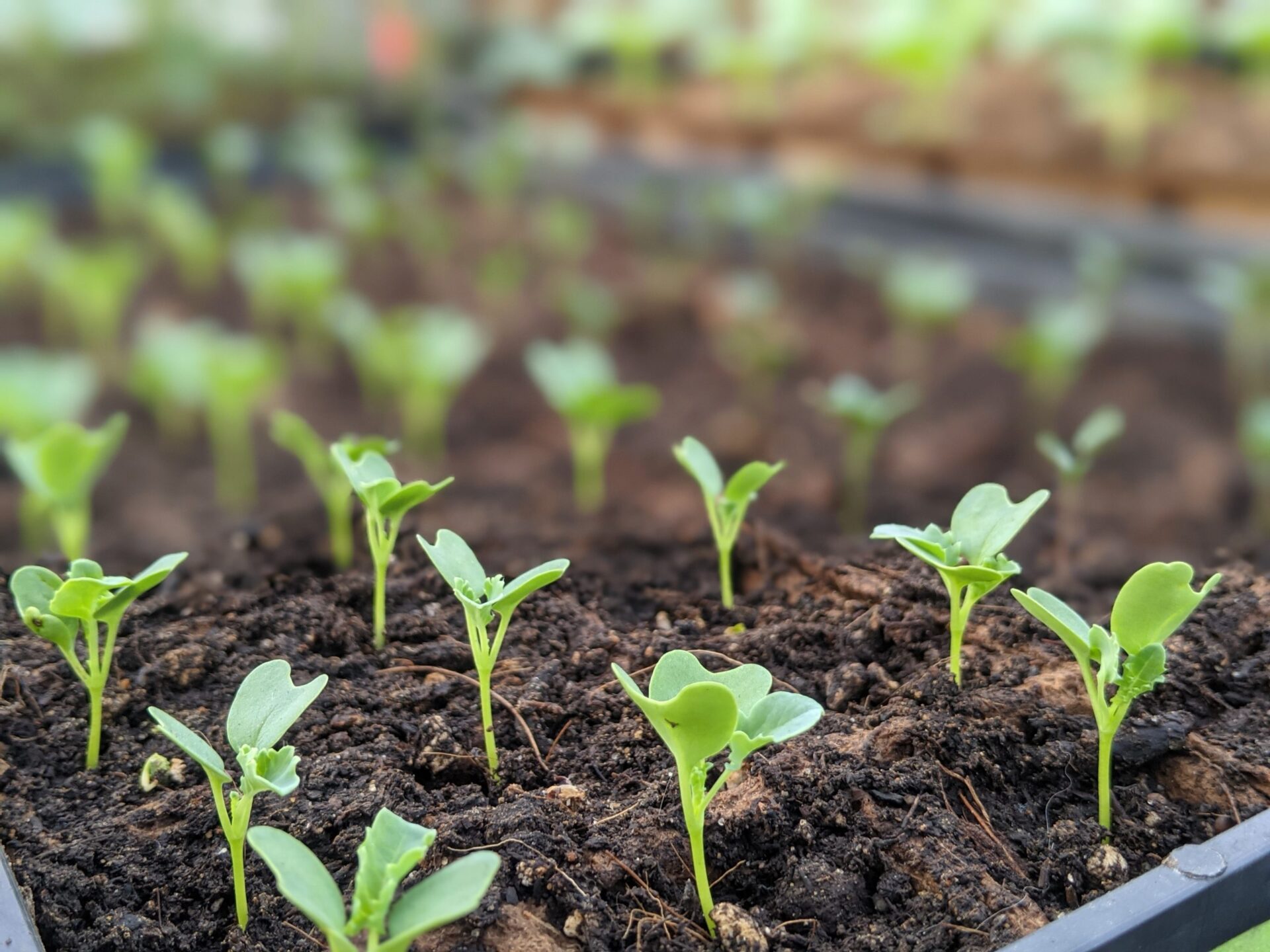
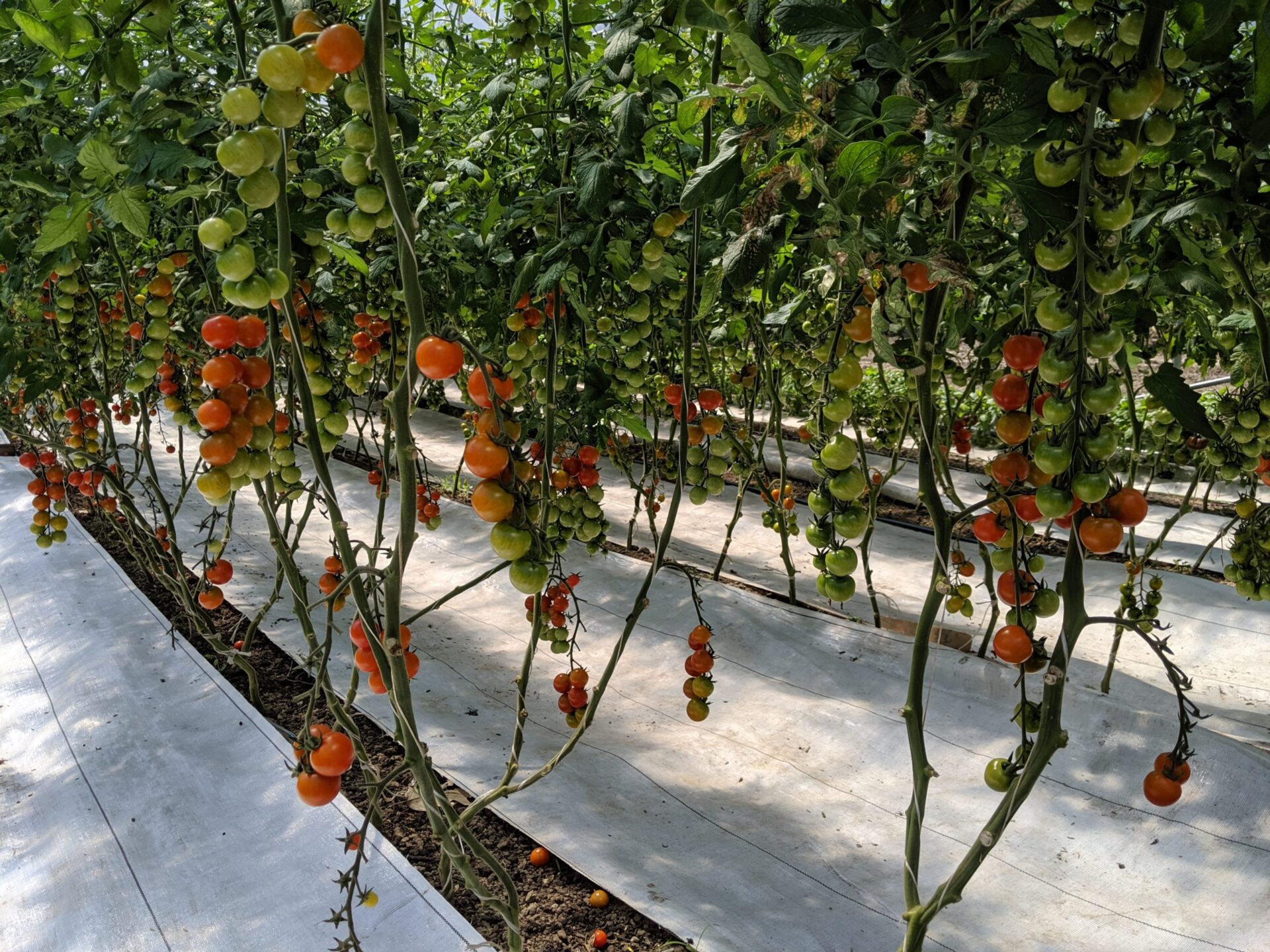
The summer-like weather has ended and we are back to normal spring temps, but few April showers so far. We hooked up the drip irrigation to help keep newly planted seed beds moist enough for germination. Transplanted some kale with limited success; transplanted spinach and it looks awesome. Beds are looking pretty good. It was amazing how quickly everything grew during that warm spell; you could almost see the greens growing. Now that it has cooled down, things have slowed down, but we are grateful for the cooler temps. A lot of our over-wintered kale bolted due to the heat. Here are some pics of what’s growing.
Soil Test Results 2012
Another farm season, another soil sample. After attending the ACRES Conference in the fall, we were reminded of the importance of living soil and understanding our soil make up in order to support healthy crop growth. While at the conference we met a representative from Midwest Labs and liked what they had to offer. They sent the results electronically and with an account, you can retrieve past results online, pretty sweet. Here are the results from our soil samples we took earlier this year.
Compared to our first soil sample in 2009 prior to even buying the property, we think these results look solid. Our first test showed organic content of 3.7% vs. 7% currently. Our pH is still quite high and our plan is to add peat moss to lower it, while also adding organic matter and increasing water retention. The results also illustrate that we do not need to add amendments (N, P, K, S, CA, Mg). Overall, we are pretty happy with the results since it seems to indicate that our hard work over the past couple of years has paid dividends. We are still learning, however, and welcome input on these results.
March Madness!
It is St. Patrick’s Day weekend and the weather has been unseasonably warm for about 2 straight weeks. By warm, I mean in the 60′s and 70′s and sunny with some morning and evening rains. The mild winter and warm sunny days have allowed the overwintered crops (spinach, kale, green onions) to thrive and the soil blocked starts in the hoop house to emerge rapidly.
Spinach!

Spinach in the hoop house. Hope it warms up by the time this is ready to transplant.